Raising Voices for Epilepsy Awareness

Understanding Epilepsy: A Comprehensive Guide
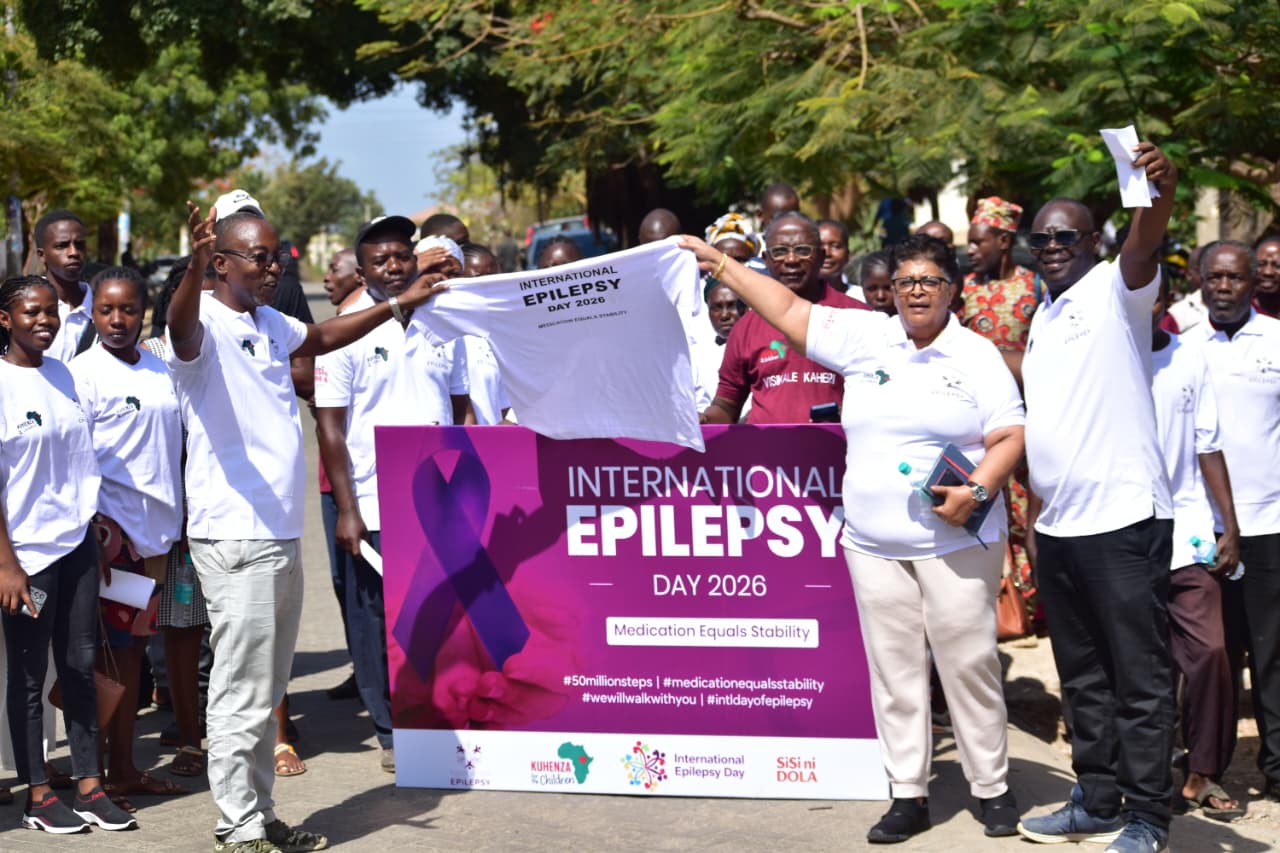
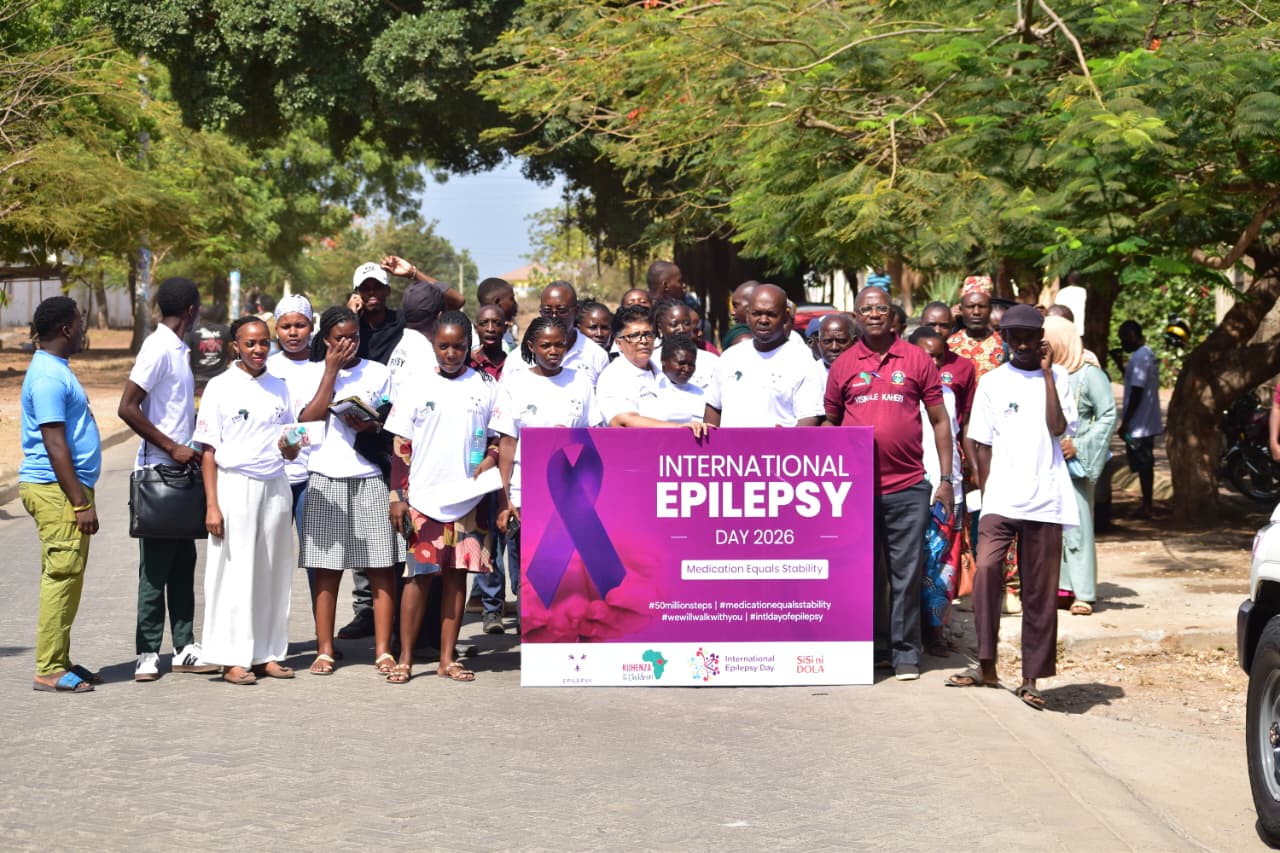
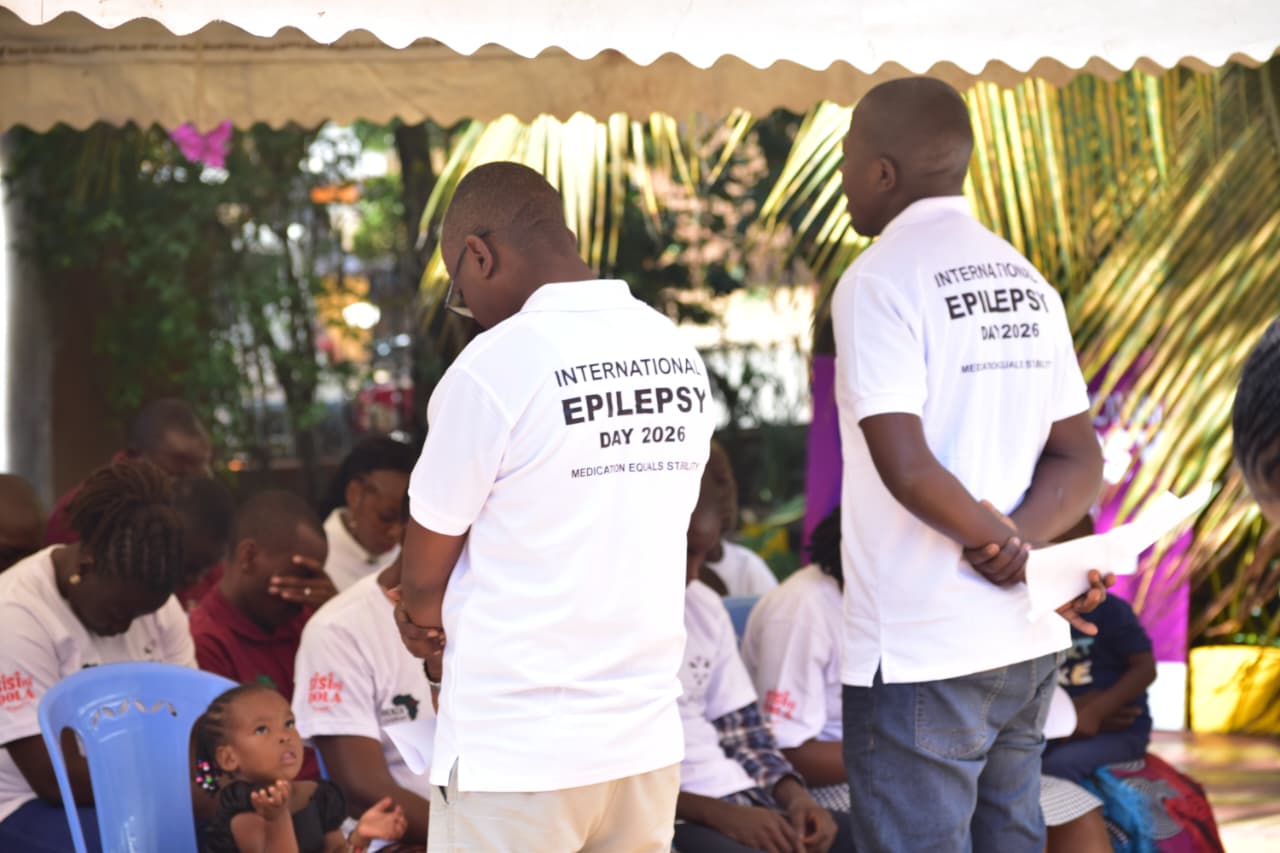
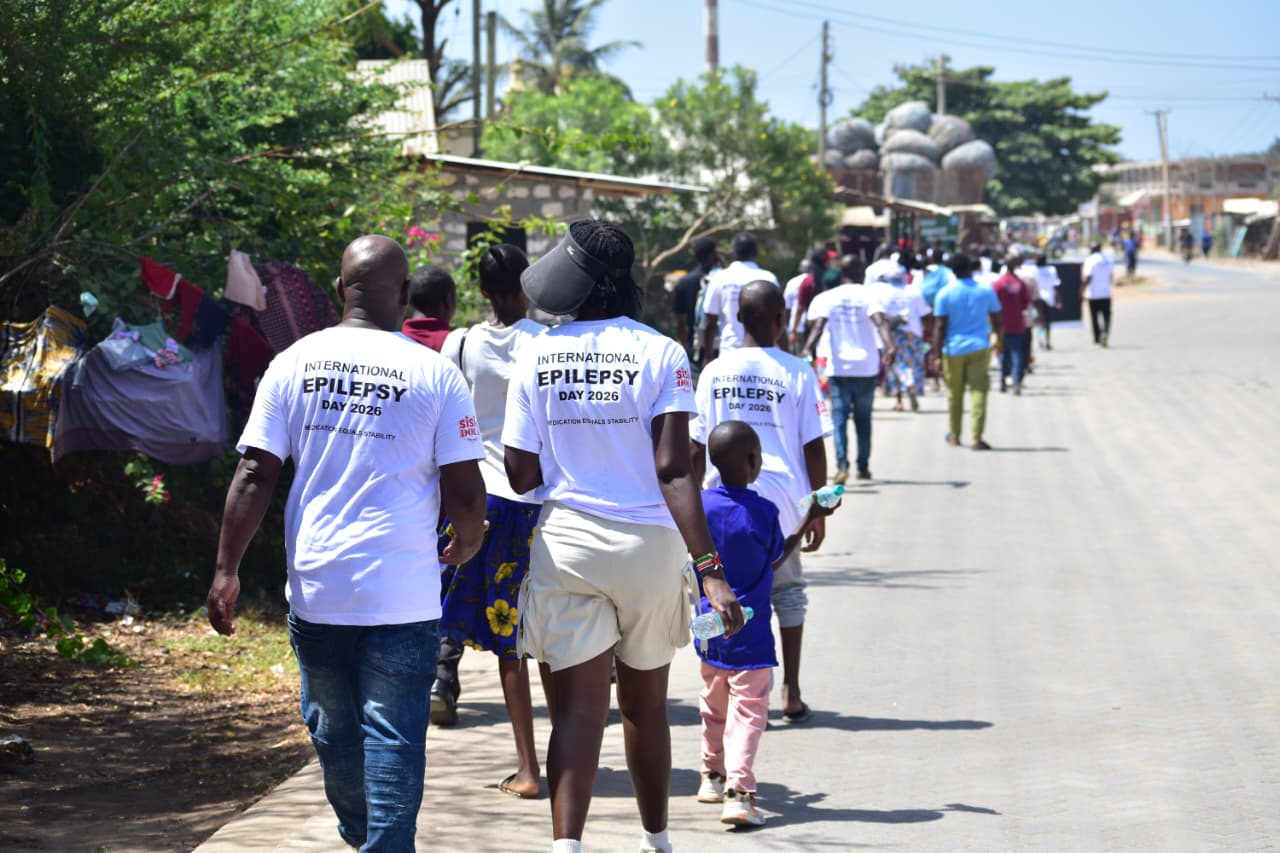
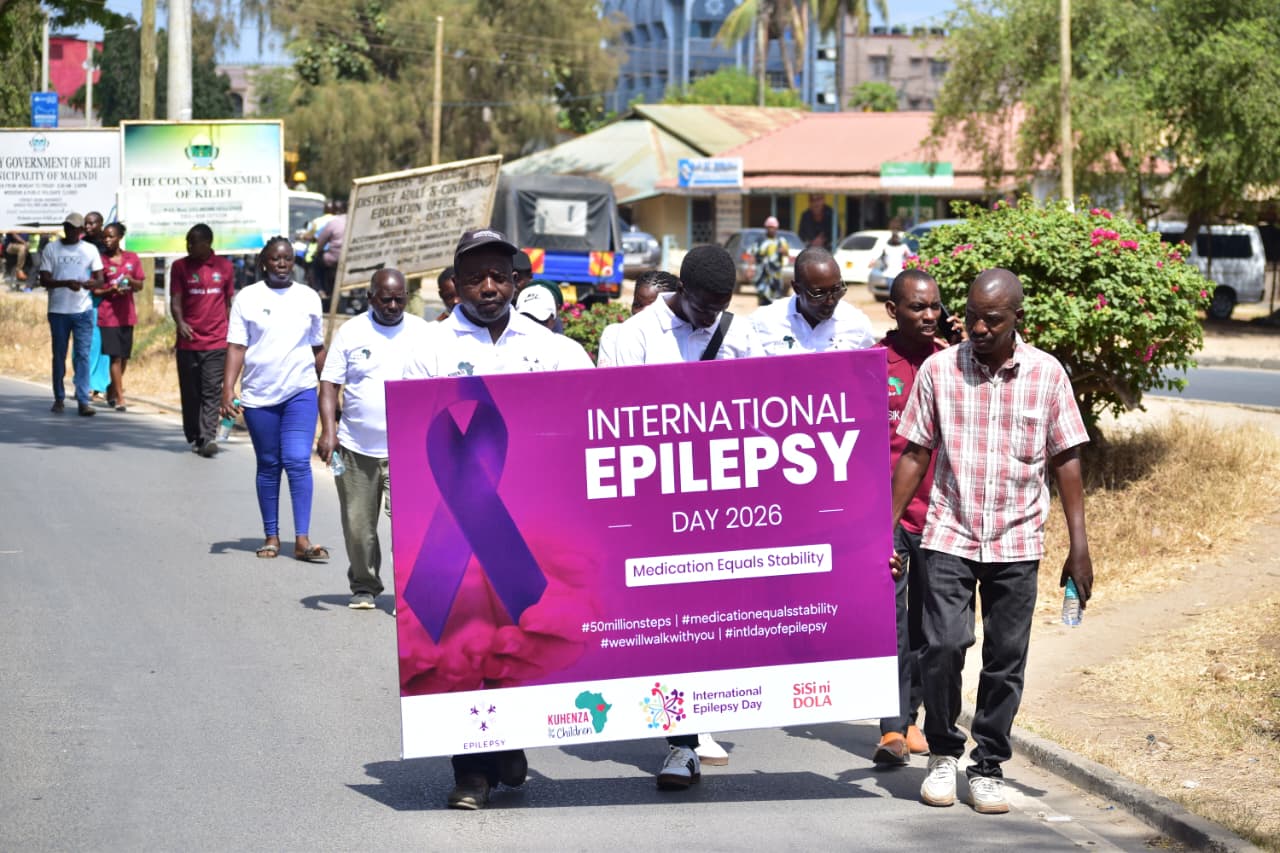
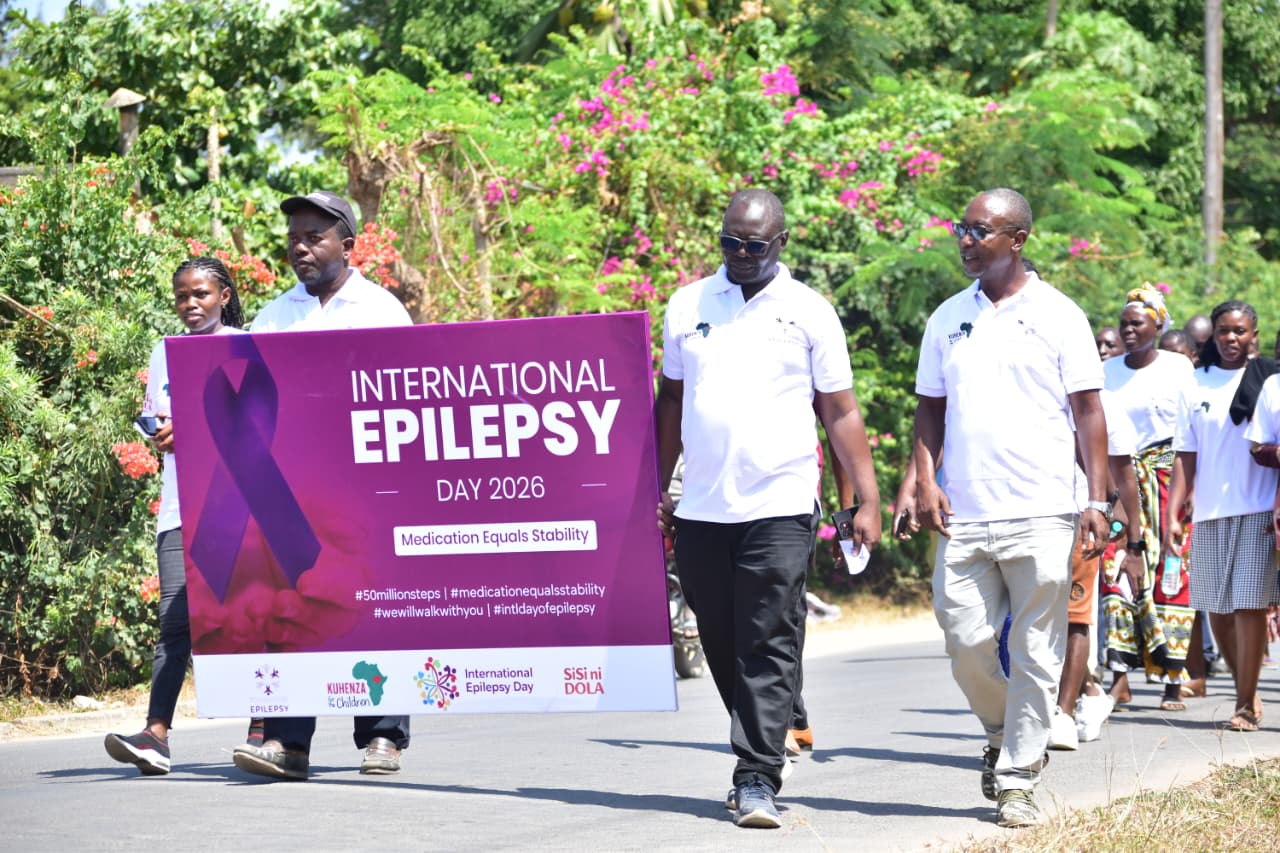
August 6, 2024On February 9, communities across Kenya joined the rest of the world in commemorating International Epilepsy Day, an annual event observed on the second Monday of February to raise awareness about epilepsy and advocate for better support for people living with the condition.
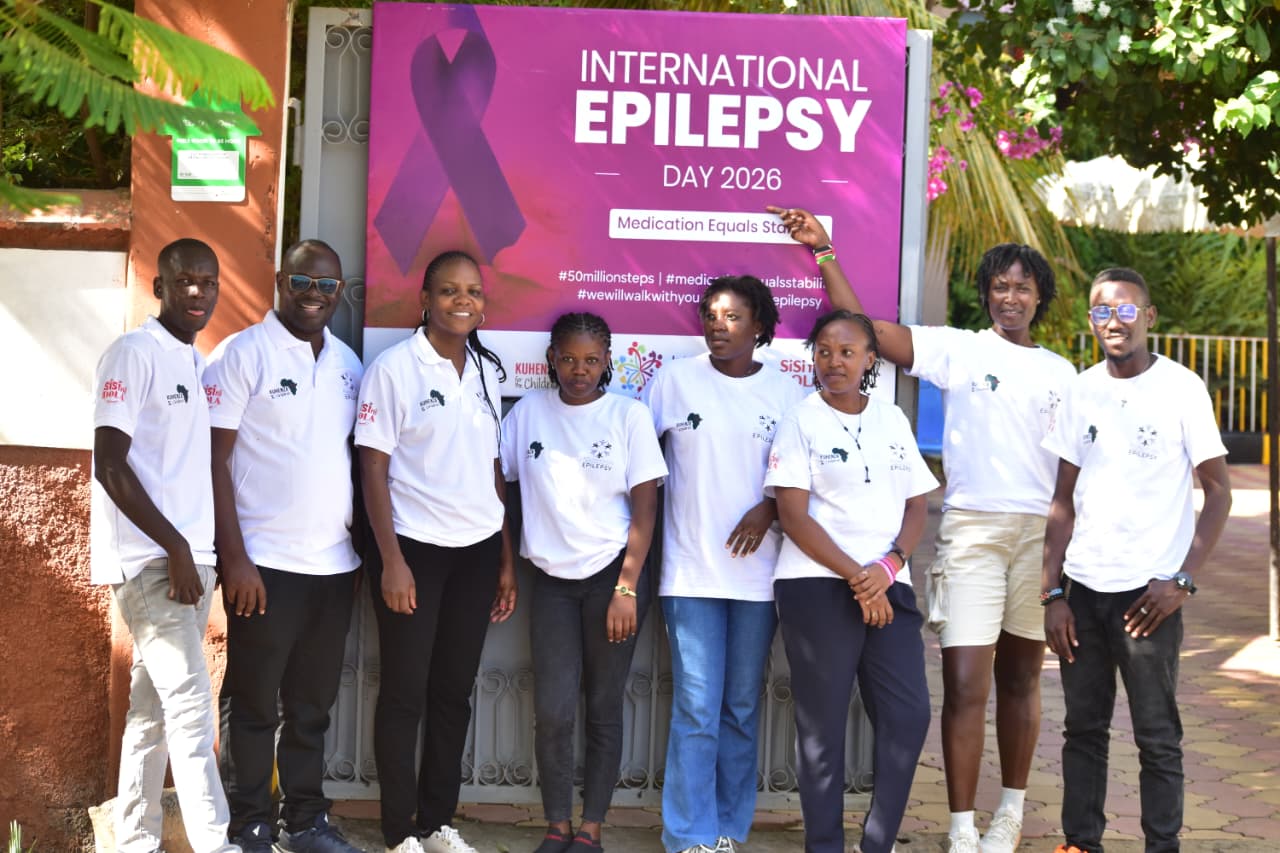
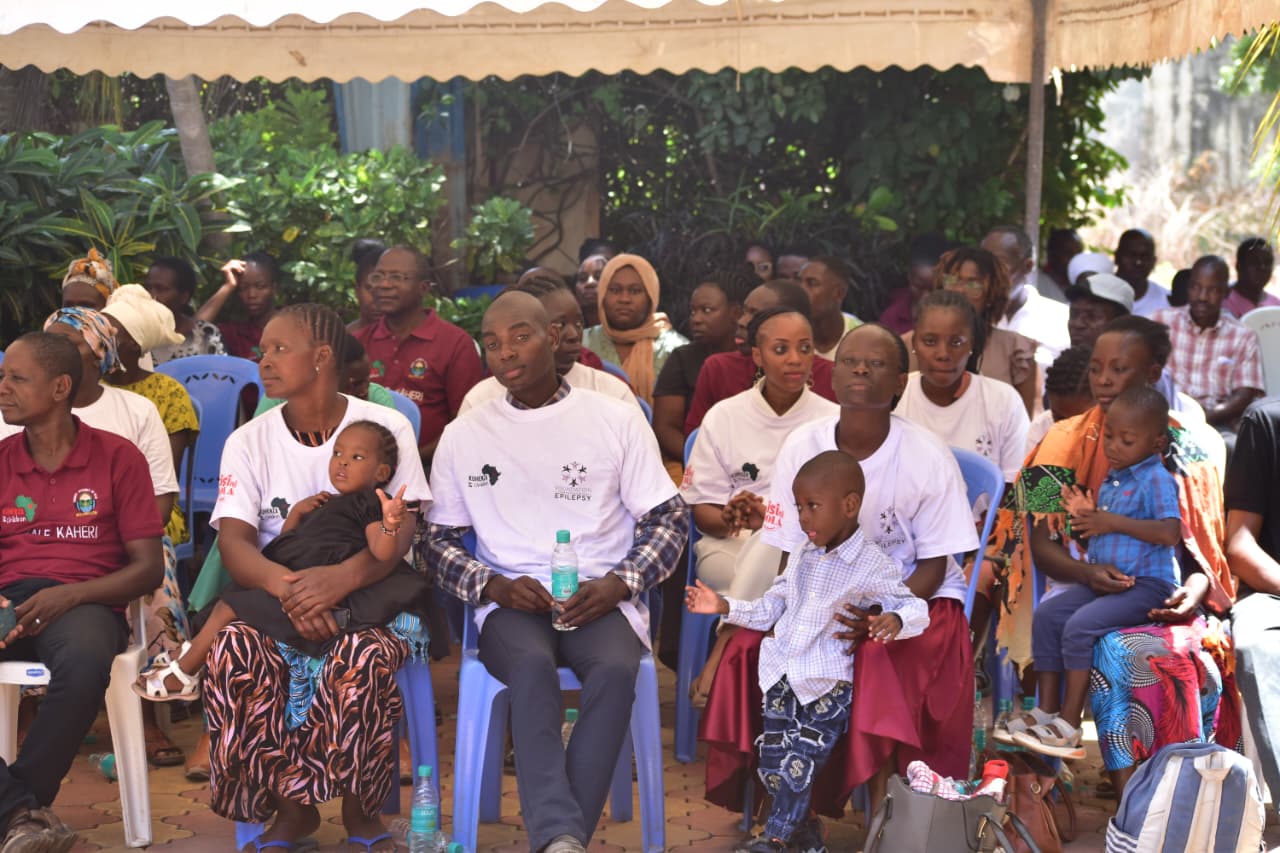
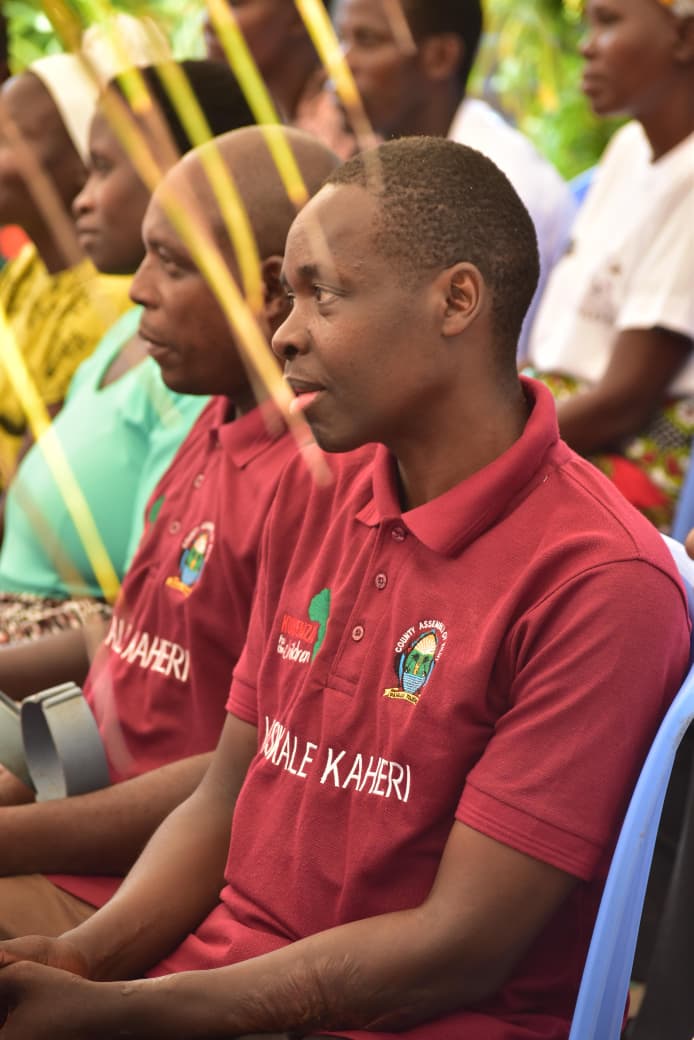
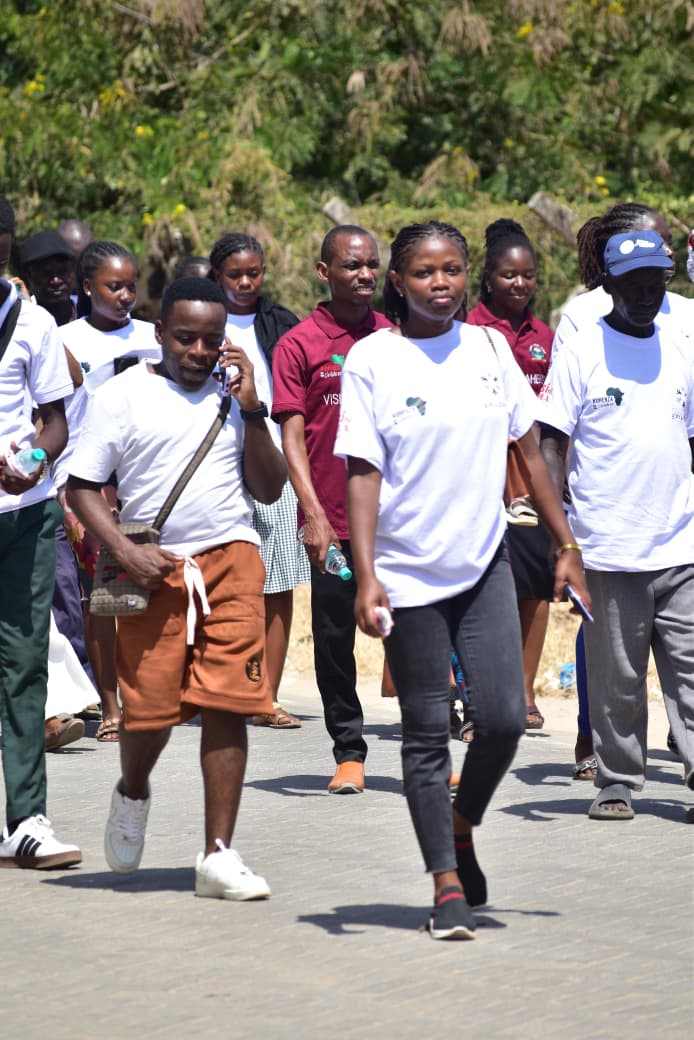
Along the Kenyan coast, health workers, advocacy groups, and community leaders gathered in outreach events aimed at breaking long-standing myths about epilepsy and encouraging families to seek treatment for affected relatives.
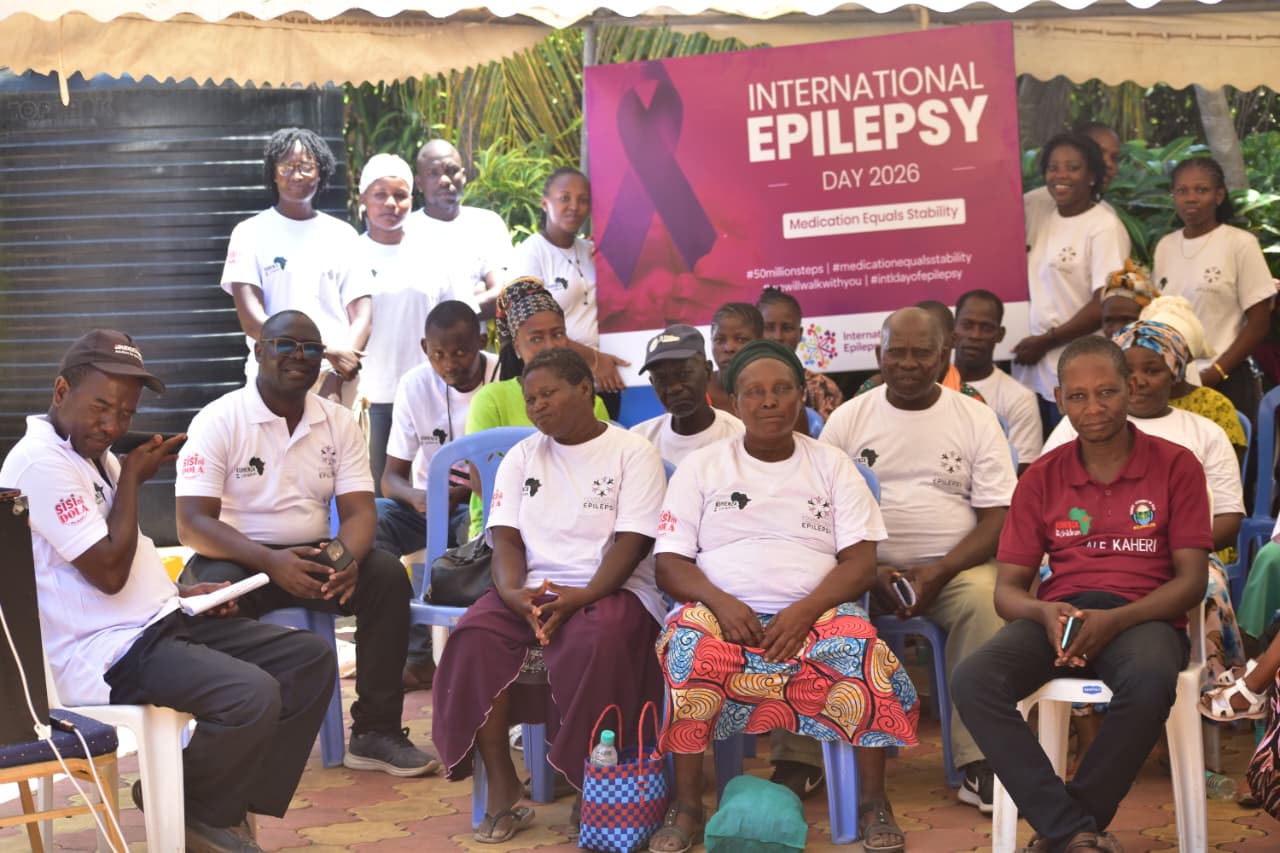
A community gathering for awareness
At health facilities and community forums, stakeholders emphasized the importance of education and early treatment. Medical professionals explained that epilepsy is a neurological condition that can be treated and managed with proper medication and care. Yet, many patients in rural communities remain hidden due to stigma and cultural beliefs linking seizures to witchcraft or curses.
During the awareness activities, healthcare workers demonstrated how to respond when someone experiences a seizure and urged families not to isolate people living with epilepsy. Speakers stressed that the greatest challenge is not the disease itself but the misunderstanding surrounding it.
The role of coastal health facilities
FPE and other partners highlighted the growing role of Epilepsy clinics in Kilifi county. In partnership with Neurohaven Epilepsy Centre, FPE has established an Epilepsy clinic in Kilifi town to improve its reach to patients in the region
The facility has helped thousands of patients by bringing specialized services closer to home and reducing the cost of travelling long distances for care. Health officials say such initiatives are essential because epilepsy remains common in many parts of the country, with thousands of cases reported in coastal counties alone.
Breaking the silence
At the event, community leaders called on residents to stop hiding family members with epilepsy and instead seek medical help. Advocates noted that stigma often forces people to live in isolation, even though treatment can enable them to lead productive lives.
Participants shared personal experiences and testimonies about living with epilepsy, creating an atmosphere of solidarity and understanding. The gatherings also provided a platform for distributing educational materials and encouraging people to join support networks.
A continuing campaign
Globally, epilepsy affects more than 50 million people, making it one of the most common neurological disorders. In Kenya, awareness campaigns such as International Epilepsy Day aim to reduce discrimination, improve access to treatment, and ensure people with epilepsy can live with dignity and inclusion.
As the coastal events concluded, organizers reaffirmed their commitment to continue outreach programs throughout the year—reminding communities that epilepsy is a medical condition, not a curse, and that knowledge and compassion are key to ending the stigma surrounding it.